The Benefits of Bluetooth Hearing Aids in Daily Life
- Hearing Solutions

- Oct 12, 2025
- 6 min read
Updated: Apr 4
Hearing loss can significantly impact daily life, making communication and social interaction challenging. Fortunately, advances in technology have brought about wireless hearing devices that offer more than just sound amplification. Among these, Bluetooth hearing aids stand out for their convenience and enhanced functionality. These devices connect seamlessly to smartphones, TVs, and other gadgets, improving the overall hearing experience. This article explores the benefits of Bluetooth hearing aids and how wireless hearing devices are transforming everyday life. Read more: Hearing Aid Maintenance in Islamabad – Expert Service You Ca
Last Updated: March 2026
Bluetooth hearing aids are available in Pakistan from Signia, with models starting at Rs.235,000 (16 channels and above). Connect directly to iPhone, Android, and TV. Available at Professional Hearing Solutions Islamabad and Rawalpindi.
Understanding Wireless Hearing Devices and Their Advantages
Wireless hearing devices have revolutionized the way people with hearing loss interact with their environment. Unlike traditional hearing aids, these devices use wireless technology to connect with external audio sources. This connection allows users to stream sound directly to their hearing aids, providing clearer and more personalized audio. Read more: Hearing Aids IIC (Invisible in Canal)
Some key advantages of wireless hearing devices include:
Improved sound quality: Wireless streaming reduces background noise and enhances speech clarity.
Hands-free communication: Users can take phone calls without holding their phones.
Convenient control: Many devices come with apps that allow users to adjust settings discreetly.
Compatibility: They work with various devices such as smartphones, tablets, and televisions.
These benefits make wireless hearing devices a practical choice for those seeking better hearing solutions.

Wireless hearing devices offer modern solutions for hearing loss
How Bluetooth Technology Enhances Hearing Aids
Bluetooth technology is a game-changer in the hearing aid industry. It enables hearing aids to connect wirelessly to other Bluetooth-enabled devices, creating a seamless audio experience. This connectivity allows users to stream phone calls, music, and other audio directly to their hearing aids without the need for additional accessories.
Here are some ways Bluetooth enhances hearing aids:
Direct streaming: Audio from smartphones or media players is sent straight to the hearing aids.
Reduced background noise: Bluetooth helps isolate the desired sound, improving clarity.
Remote control: Users can adjust volume and settings via smartphone apps.
Multi-device connection: Some hearing aids can connect to multiple devices simultaneously.
This technology makes hearing aids more versatile and user-friendly, fitting naturally into modern lifestyles.
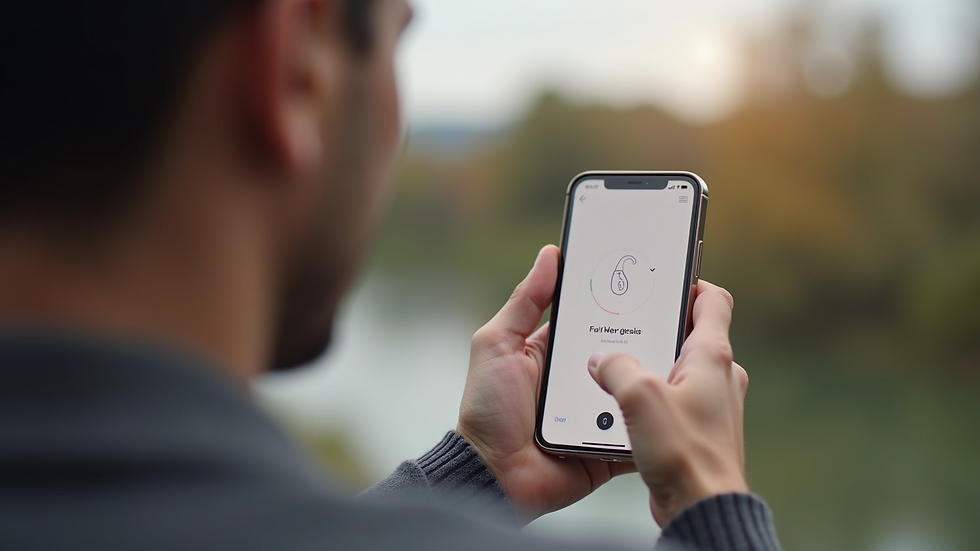
Smartphone apps provide easy control of hearing aid features
Can hearing aids be Bluetooth?
Yes, hearing aids can be Bluetooth-enabled. Modern hearing aids often come equipped with Bluetooth technology, allowing them to connect wirelessly to various devices. This feature is especially useful for people who want to stream audio directly from their phones, computers, or televisions.
Bluetooth hearing aids offer several practical benefits:
Hands-free phone calls: Users can answer calls without removing their hearing aids.
Streaming media: Music, podcasts, and videos can be enjoyed with better sound quality.
Improved communication: In noisy environments, Bluetooth helps focus on the speaker’s voice.
Customization: Settings can be personalized through apps for different listening environments.
If you are considering upgrading your hearing aids, exploring Bluetooth-enabled options can significantly enhance your daily experience.

Bluetooth hearing aids provide direct audio streaming and hands-free communication
Practical Tips for Using Wireless Hearing Devices Effectively
To get the most out of wireless hearing devices, it’s important to understand how to use them properly. Here are some actionable recommendations:
Keep devices charged: Wireless hearing aids often have rechargeable batteries. Make sure to charge them regularly to avoid interruptions.
Use compatible apps: Download the manufacturer’s app to control settings and customize your hearing experience.
Pair with multiple devices: Connect your hearing aids to your phone, TV, and other devices for seamless switching.
Maintain your hearing aids: Clean and service your devices regularly to ensure optimal performance.
Adjust settings for environments: Use app presets or manual controls to adapt to different listening situations, such as quiet rooms or noisy outdoors.
By following these tips, users can maximize the benefits of their wireless hearing devices and enjoy improved hearing in various settings.
The Future of Hearing Aids and Wireless Technology
The integration of wireless technology in hearing aids is just the beginning. Future developments promise even more advanced features, such as:
Artificial intelligence: Hearing aids that learn user preferences and automatically adjust settings.
Health monitoring: Devices that track physical activity and vital signs.
Enhanced connectivity: Improved compatibility with smart home devices and virtual assistants.
Smaller, more discreet designs: Making hearing aids less noticeable and more comfortable.
These innovations will continue to improve the quality of life for people with hearing loss, making wireless hearing devices an essential part of everyday living.
For those interested in exploring high-quality options, bluetooth hearing aids offer a reliable and advanced solution.
Wireless hearing devices are transforming how people with hearing loss experience the world. By embracing Bluetooth technology, these devices provide clearer sound, greater convenience, and enhanced connectivity. Whether for phone calls, entertainment, or social interaction, Bluetooth hearing aids make daily life easier and more enjoyable. Staying informed about the latest advancements and using these devices effectively can lead to a significant improvement in hearing health and overall well-being.
Related Articles You May Find Helpful
Frequently Asked Questions
What is the difference between digital and analog hearing aids?
Digital hearing aids use computer chips to process sound, offering features like noise reduction, Bluetooth, and programmable settings. Analog aids simply amplify all sounds equally. Digital aids provide far superior hearing experience.
Can I connect hearing aids to my smartphone?
Yes. Most modern Signia hearing aids from 16 channels and above offer Bluetooth connectivity. You can stream calls, music, and adjust settings through the Signia app on iPhone or Android.
What are rechargeable hearing aids?
Rechargeable hearing aids use built-in lithium-ion batteries that charge overnight and last all day. No need to buy or change tiny batteries. Signia offers several rechargeable models starting from Rs.250,000 per pair.
What is the difference between BTE, RIC, CIC, and IIC hearing aids?
BTE (Behind-The-Ear) sits behind the ear. RIC (Receiver-In-Canal) is slimmer with receiver in the ear. CIC (Completely-In-Canal) fits inside the ear canal. IIC (Invisible-In-Canal) is the smallest and completely invisible.
How do noise-canceling hearing aids work?
Modern hearing aids use directional microphones and AI algorithms to identify speech vs noise. They amplify speech while reducing background noise, making conversation clearer in noisy environments like restaurants or weddings.
Frequently Asked Questions
What is the difference between digital and analog hearing aids?
Digital hearing aids use computer chips to process sound, offering features like noise reduction, Bluetooth, and programmable settings. Analog aids simply amplify all sounds equally. Digital aids provide far superior hearing experience.
Can I connect hearing aids to my smartphone?
Yes. Most modern Signia hearing aids from 16 channels and above offer Bluetooth connectivity. You can stream calls, music, and adjust settings through the Signia app on iPhone or Android.
What are rechargeable hearing aids?
Rechargeable hearing aids use built-in lithium-ion batteries that charge overnight and last all day. No need to buy or change tiny batteries. Signia offers several rechargeable models starting from Rs.250,000 per pair.
What is the difference between BTE, RIC, CIC, and IIC hearing aids?
BTE (Behind-The-Ear) sits behind the ear. RIC (Receiver-In-Canal) is slimmer with receiver in the ear. CIC (Completely-In-Canal) fits inside the ear canal. IIC (Invisible-In-Canal) is the smallest and completely invisible.
How do noise-canceling hearing aids work?
Modern hearing aids use directional microphones and AI algorithms to identify speech vs noise. They amplify speech while reducing background noise, making conversation clearer in noisy environments like restaurants or weddings.
Explore Our Services
Note: Prices may vary slightly due to market fluctuations, currency exchange rates, and inflation. Contact Professional Hearing Solutions for the latest confirmed pricing.
Quick Hearing Aid Price Reference — Pakistan 2026
Hearing Aid Type | German Original | Best For |
Signia Prompt (BTE) | Rs.90,000/unit | Budget — mild to moderate loss |
Signia Intuis 3 (BTE) | Rs.185,000/unit | Value — 12 channels |
Signia Motion 13 3Nx (BTE) | Rs.375,000/unit | Seniors — Bluetooth, noise control |
Signia Pure 312 1X (RIC) | Rs.265,000/unit | Most popular — slim, clear sound |
Signia Orion 50 C&G (Rechargeable) | Rs.250,000/pair | Easiest — no battery changes |
Signia Silk 1X (Invisible) | Rs.335,000/unit | Discreet — instant fit, hidden |
Prices are for German original Signia hearing aids at Professional Hearing Solutions. Contact 0332-5014111 for latest pricing.
Visit Professional Hearing Solutions
Islamabad Branch: Office B-9, Muhammad Gulistan Khan Plaza 82 East, Besides Tehzeeb Bakers, Fazl-ul-Haq Road, Blue Area, Islamabad, Pakistan
Google Maps: View Islamabad Location on Map
Rawalpindi Branch: Office 5/6, Ground Floor, Siraj Plaza, Opposite Rasheed Nursing Home, Adjacent Gulzari Optics, Saidpur Road, Rawalpindi
Google Maps: View Rawalpindi Location on Map
Phone/WhatsApp: 0332-5014111
Website: www.professionalhearingsolution.com